
Designing the Perfect Home Gym Layout: Function, Flow, and Motivation
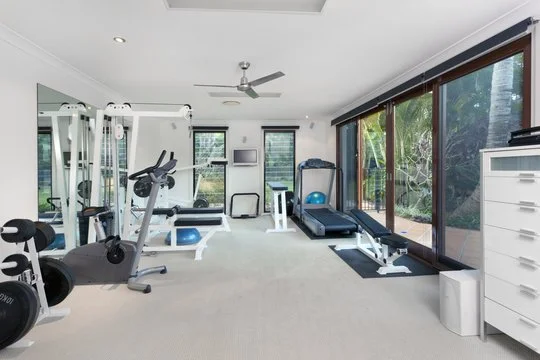
Your workout space matters — not just the gear you buy. Whether you’re carving a corner in your apartment or dedicating a spare room, a thoughtful layout can boost performance, consistency, and enjoyment. Let’s walk through how to design a home gym that works for your body, your space, and your mind.
1. Define Your Workout Zones
Strength zone: place free weights, adjustable dumbbells or a bench here. E.g., an adjustable dumbbell set replaces many fixed weights and saves space.
Cardio/movement zone: leave open floor space or include a compact treadmill or under-desk bike so you’re not blocked by clutter.
Recovery/mobility zone: an area dedicated to stretching, foam rolling, yoga or tech-based recovery tools.
Product suggestion:
Fit Sir Adjustable Dumbbell – compact and easy to adjust; great for the strength zone.
PIRIER Adjustable Dumbbell‑A‑Weight Dumbbell Set – a higher-end alternative for heavier lifts without a full rack.
2. Lighting, Atmosphere & Flow
Natural light improves mood and energy — if you have a window, orient your equipment to take advantage of it.
Add smart lighting or ambient LED strips to motivate evening workouts.
Plan your equipment layout so you can transition quickly between exercises — e.g., bench near dumbbells, floor space free for bodyweight work.
3. Tech Integration
Wall-mounted smart mirrors or screens can deliver guided workouts and keep your space sleek.
Use Bluetooth speakers or headphones for immersive sessions.
Ensure outlets, cable management, and safe flooring (rubber mat) so your tech and gear are protected.
Product suggestion:
Echelon Reflect 50″ Fitness Mirror – high-tech smart mirror that doubles as décor when inactive.
4. Storage & Minimalism
Use wall racks, vertical storage, or compact benches to keep gear tidy. The less clutter, the more likely you’ll show up.
Choose foldable or mobile equipment if you share space.
Keep a dedicated “gear maintenance” routine: wipe down tech, check dumbbell dials, keep cords off the floor.
5. Motivation Moves & Micro-Upgrades
Add one small upgrade every 3–6 months rather than buying everything at once.
Example: upgrade from entry-level dumbbells to adjustable; add a smart tracker; add recovery tech.
Leave a visible “success zone”: a mirror, a photo board, or even a simple whiteboard for tracking progress.
Wrap-Up
Designing a home gym isn’t about being perfect — it’s about being functional, motivating, and integrated into your life. With the right layout, versatile equipment, and tech that supports your goals, you’ll build a space that keeps you consistent and engaged.
